Câu hỏi thường gặp
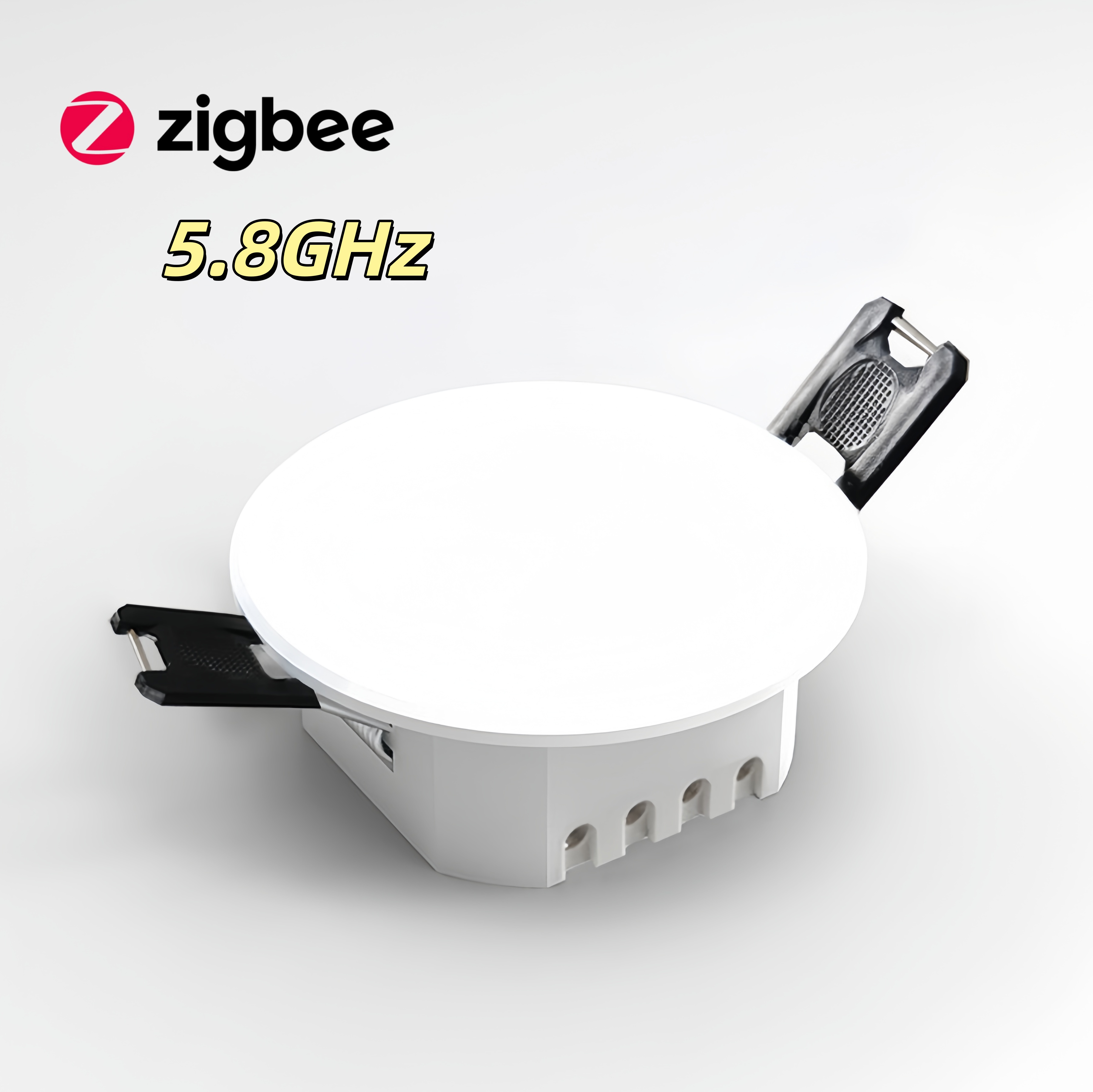
1. Hỏi: Phiên bản ZigBee này khác gì với phiên bản WiFi của cảm biến?
A: Phiên bản ZigBee yêu cầu một hub ZigBee và cung cấp khả năng giao tiếp ổn định hơn, tiêu thụ ít năng lượng và mạng lưới. Nó không kết nối trực tiếp với bộ định tuyến WiFi. Phiên bản WiFi kết nối trực tiếp với mạng gia đình của bạn mà không cần hub nhưng tiêu thụ nhiều năng lượng hơn và không hỗ trợ mạng lưới ZigBee.
2. Hỏi: Cảm biến này có phát hiện sự hiện diện của con người ngay cả khi người đó hoàn toàn bất động không?
Đáp: Có. Radar mmWave phát hiện các chuyển động siêu nhỏ như hơi thở và cử động nhẹ của cơ thể, cho phép nó phát hiện sự hiện diện ngay cả khi một người đứng yên — không giống như cảm biến PIR yêu cầu chuyển động nhìn thấy được.
3. Hỏi: Cảm biến mmWave 5.8 GHz và 24 GHz khác nhau như thế nào?
A: 5,8 GHz cung cấp khoảng cách phát hiện xa hơn và khả năng xuyên vật cản mạnh hơn, phù hợp với không gian lớn hơn hoặc không gian mở. 24 GHz cung cấp độ chính xác cao hơn và khả năng phát hiện chuyển động nhỏ tốt hơn cho các phòng nhỏ hơn, với ít cảnh báo sai hơn. Mỗi tần số được tối ưu hóa cho các tình huống trong nhà khác nhau.
4. Hỏi: Cảm biến này có cần hub hoặc cổng kết nối để hoạt động không?
A: Có. Là một thiết bị ZigBee, nó phải kết nối với một hub ZigBee (ví dụ: cổng Tuya ZigBee). Nếu không có hub, thiết bị sẽ không thể gửi các sự kiện phát hiện đến hệ thống nhà thông minh hoặc ứng dụng của bạn.
5. Hỏi: Tôi có thể sử dụng nhiều cảm biến trong cùng một nhà hoặc hệ thống không?
A: Có. Bạn có thể lắp đặt nhiều cảm biến mmWave ZigBee ở các phòng khác nhau. Mỗi cảm biến sẽ hiển thị dưới dạng một thiết bị riêng biệt trong ứng dụng và có thể được đặt tên và tự động hóa riêng lẻ.
6. Hỏi: Thú cưng, quạt hoặc rèm cửa di chuyển có gây ra cảnh báo sai không?
Đáp: Có thể. Vì radar mmWave cảm nhận chuyển động siêu nhỏ, thú cưng, luồng không khí hoặc vật thể di chuyển gần cảm biến có thể tạo ra các cảnh báo sai. Điều chỉnh độ nhạy, phạm vi phát hiện và thời gian giữ có thể giảm thiểu các trường hợp này.
7. Hỏi: Cảm biến có hoạt động trong bóng tối hoặc điều kiện ánh sáng yếu không?
A: Có. Radar mmWave không phụ thuộc vào ánh sáng nhìn thấy. Nó phát hiện sự hiện diện bằng sóng điện từ, vì vậy hiệu suất không bị ảnh hưởng bởi ánh sáng yếu hoặc bóng tối.
8. Hỏi: Phạm vi phát hiện và chiều cao lắp đặt điển hình là bao nhiêu?
A: Khoảng cách phát hiện điển hình là khoảng 6–9 mét tùy thuộc vào bố cục phòng và cài đặt độ nhạy. Lắp đặt trên trần nhà ở độ cao khoảng 2,7–3,5 mét sẽ cung cấp phạm vi phủ sóng và độ chính xác tốt nhất.
9. Hỏi: Cảm biến có tiếp tục hoạt động nếu WiFi hoặc Internet bị ngắt kết nối không?
A: Có. Miễn là hub ZigBee cục bộ được cấp nguồn, cảm biến sẽ tiếp tục phát hiện sự hiện diện. Tuy nhiên, thông báo dựa trên đám mây hoặc truy cập từ xa có thể không hoạt động cho đến khi kết nối Internet được khôi phục.
10. Hỏi: Việc lắp đặt có khó không và có cần đi dây không?
Đáp: Không. Việc lắp đặt rất đơn giản. Cảm biến thường được gắn bằng vít hoặc keo dán và ghép nối không dây với hub ZigBee. Không cần dây điện và tất cả cấu hình (thời gian trễ, độ nhạy, thời gian hiện diện) đều được thực hiện thông qua ứng dụng.